
Antimicrobial Awareness Week 18-24 November 2026
East Basildon Primary Care Network (PCN) raises awareness of antimicrobial resistance (AMR) and encourages everyone to take action to protect antibiotics, prevent infections and safeguard the health of future generations.
Antimicrobial resistance (AMR) is one of the most significant global health challenges facing modern medicine. It threatens the effectiveness of medicines used to treat infections in people and animals, making some illnesses increasingly difficult to manage.
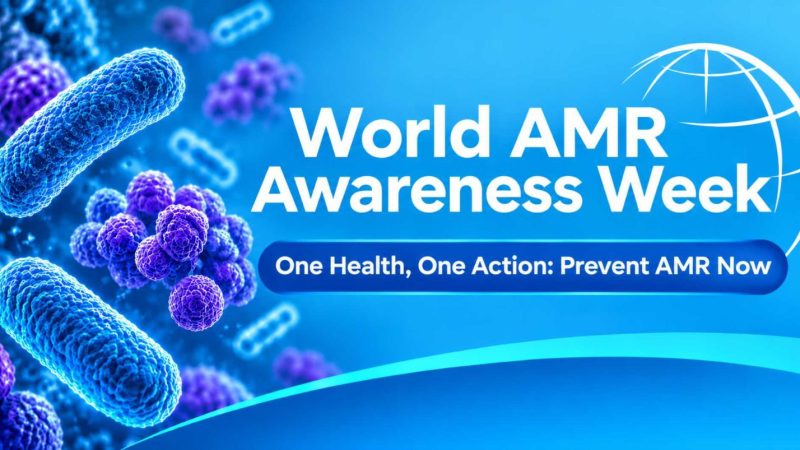
From 18–24 November 2026, communities around the world will come together to mark World AMR Awareness Week (WAAW). This year’s theme, “One Health, One Action: Prevent AMR now”, highlights how the health of people, animals, plants and the environment is interconnected.
At East Basildon PCN, we want to help our local community understand what antimicrobial resistance means, why it matters and, most importantly, what simple steps we can all take to help prevent its spread.
What is antimicrobial resistance (AMR)?
Antimicrobial resistance occurs when microorganisms, including bacteria, viruses, fungi and parasites, develop the ability to survive or continue multiplying despite medicines designed to kill them or stop their growth.
Antimicrobial medicines include:
- Antibiotics: Used to treat bacterial infections.
- Antivirals: Used to treat certain viral infections.
- Antifungals: Used to treat fungal infections.
- Antiparasitics: Used to treat infections caused by parasites.
When microorganisms become resistant, medicines that previously worked may become less effective or stop working altogether. This can make infections harder to treat, increase the risk of complications and allow resistant infections to spread.
It is important to understand that resistance develops in microorganisms, not in the human body itself.
What is the difference between antibiotic resistance and AMR?
Antibiotic resistance is one part of the wider AMR problem.
It specifically refers to bacteria developing resistance to antibiotics. Antimicrobial resistance is a broader term that also includes resistance to antiviral, antifungal and antiparasitic medicines.
Although the terms are sometimes used interchangeably, AMR covers a much wider range of infections and treatments.
World AMR Awareness Week 2026
World AMR Awareness Week is an international campaign led by the World Health Organization (WHO). It takes place every year from 18 to 24 November.
The campaign aims to improve understanding of antimicrobial resistance and encourage individuals, healthcare professionals, governments and organisations to take action to prevent the emergence and spread of drug-resistant infections.
The 2026 Theme: One Health, One Action – Prevent AMR Now
The 2026 campaign theme highlights the importance of a One Health approach.
One Health recognises that human health, animal health, plant health and the environment are closely connected. What happens in one area can have an impact on all the others.
For example:
- Resistant bacteria can spread between people and animals.
- Food production and agricultural practices can influence antimicrobial resistance.
- Water and soil can become affected by resistant microorganisms and antimicrobial residues.
- Poor infection prevention and hygiene can increase the spread of infections.
- Responsible use of antimicrobial medicines helps preserve their effectiveness.
Tackling AMR therefore requires more than action from doctors and hospitals. It involves healthcare professionals, veterinary teams, farmers, environmental specialists, policymakers and members of the public working together.
The message is simple: everyone has a part to play, and every positive action matters.
Understanding the world of microbes: Our invisible neighbours
Microorganisms, commonly known as microbes, are microscopic organisms found almost everywhere.
They live in the air, water and soil, on surfaces and inside our bodies. Although we often associate microbes with illness and infection, the majority are harmless, and many play essential roles in maintaining our health and supporting the natural environment.
The four main groups of microorganisms
1. Bacteria
Bacteria are single-celled microorganisms found in almost every environment. Many are beneficial and help with digestion, nutrient recycling and maintaining a healthy balance of microorganisms in our bodies.
However, certain bacteria can cause infections, and some have developed resistance to antibiotics.
2. Viruses
Viruses are microscopic infectious agents that need living host cells to reproduce. They cause illnesses such as colds, influenza and COVID-19.
Antibiotics do not work against viruses, which is why they are not an appropriate treatment for ordinary viral infections.
3. Fungi
Fungi include yeasts, moulds and mushrooms. They play an important role in breaking down organic matter and recycling nutrients in the environment.
Some fungi can also cause infections, which may require treatment with antifungal medicines.
4. Parasites
Parasites live on or inside other organisms and depend on their hosts to survive. Some can cause infections and diseases in humans and animals, requiring specific antiparasitic treatments.
Why are microbes important?
Not all microorganisms are harmful. In fact, many are essential to our wellbeing.
Our gut microbiome, for example, contains a complex community of microorganisms that supports digestion, helps maintain normal immune function and contributes to our overall health.
Other microorganisms help protect us by competing with harmful microbes, while bacteria and fungi in the natural environment help break down waste and recycle nutrients.
The challenge is not to eliminate all microbes. It is to prevent harmful infections while preserving the effectiveness of the medicines we need to treat them.
Why is antimicrobial resistance a growing global health concern?
Antimicrobial medicines have transformed modern healthcare.
The discovery of penicillin by Alexander Fleming in 1928 marked a major breakthrough in the treatment of bacterial infections. Since then, antibiotics and other antimicrobial medicines have helped save countless lives.
Today, effective antimicrobial treatments remain essential for managing conditions such as pneumonia, meningitis, tuberculosis and serious bloodstream infections.
They are also vital in modern medical procedures, including cancer treatment, organ transplantation and major surgery, where infections can pose significant risks.
What happens when antimicrobials stop working?
When microorganisms develop resistance to medicines, healthcare professionals may have fewer effective treatment options.
This can result in:
- Harder-to-treat infections: Standard treatments may no longer work.
- Longer recovery times: Patients may remain unwell for longer.
- More complex treatment: Alternative medicines may be needed, sometimes with more side effects.
- Increased healthcare costs: Additional investigations, treatments and hospital stays may be required.
- Greater risk of complications: Serious infections can become more difficult to manage.
According to the World Health Organization, one in six laboratory-confirmed bacterial infections causing common infections worldwide in 2023 was resistant to antibiotic treatment.
This demonstrates why antimicrobial resistance requires urgent and coordinated action.
Who is affected by AMR?
Antimicrobial resistance can affect anyone, regardless of age or background.
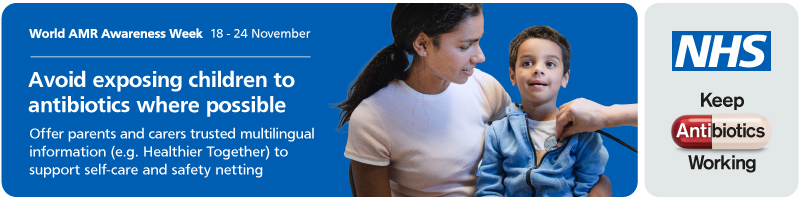
It is particularly concerning for people who are more vulnerable to infections, including older adults, young children and people with certain underlying health conditions or weakened immune systems.
However, AMR is not simply an issue for individual patients. Resistant microorganisms can spread through communities, healthcare settings, animals, food systems and the wider environment.
This is why prevention and responsible antimicrobial use are so important.
How can we prevent antimicrobial resistance?
The good news is that there are practical steps we can all take to help reduce infections and slow the development and spread of antimicrobial resistance.
Preventing infections in the first place reduces the need for antimicrobial medicines and helps protect their effectiveness.
1. Practise good hand hygiene
Handwashing remains one of the simplest and most effective ways to reduce the spread of infections.
Wash your hands thoroughly with soap and water, particularly:
- Before preparing or eating food.
- After using the toilet.
- After coughing, sneezing or blowing your nose.
- After handling waste.
- After touching animals or their bedding.
- When returning home or visiting someone who is unwell.
Wash with soap and water for around 20 seconds, making sure to clean between your fingers and around your fingertips.
If soap and water are unavailable, hand sanitiser can be useful when hands are not visibly dirty.
2. Follow good respiratory hygiene
Respiratory infections can spread through droplets and contaminated hands or surfaces.
Help prevent transmission by:
- Covering your mouth and nose with a tissue when coughing or sneezing.
- Putting used tissues straight into a bin.
- Washing your hands afterwards.
- Avoiding close contact with others when you are unwell.
- Keeping frequently touched surfaces clean.
These small actions help break the chain of infection.
3. Keep vaccinations up to date
Vaccinations help protect individuals and communities against a range of infectious diseases.
By preventing infections, vaccines can reduce the need for antibiotics and other treatments.
Make sure you take up the vaccinations you are eligible for through the NHS and speak to your GP practice or pharmacist if you have questions about your vaccination status.
4. Maintain good food hygiene
The One Health approach recognises that food production, preparation and storage can all play a role in preventing infection.
Good food hygiene practices include:
- Cleaning food preparation surfaces and utensils.
- Cooking food thoroughly.
- Chilling food at the correct temperature.
- Keeping raw and cooked foods separate.
- Washing hands before and after handling food.
Following safe food preparation and storage practices helps reduce the risk of foodborne infections.
5. Keep your home and environment clean
Regular cleaning helps reduce the spread of harmful microorganisms.
Pay particular attention to frequently touched surfaces, kitchens, bathrooms and areas where food is prepared.
Good hygiene, safe water and appropriate waste disposal all contribute to infection prevention.
Using antibiotics responsibly: Keep antibiotics working
One of the most important ways to tackle antimicrobial resistance is to use antibiotics responsibly.
Antibiotics are powerful medicines, but they are only effective against bacterial infections. They do not treat viruses such as the common cold or flu.
Taking antibiotics when they are not needed can contribute to antibiotic resistance and may expose you to unnecessary side effects.
Five important rules for taking antibiotics
There are five important rules when it comes to taking antibiotics.
1. Only take antibiotics when prescribed for you.
Always follow the advice of your GP, nurse, pharmacist, dentist or other qualified healthcare professional.
2. Take antibiotics exactly as instructed.
Follow the prescribed dose, timing and duration. If you have questions or concerns about your treatment, speak to your healthcare professional before making changes.
3. Never share antibiotics.
Antibiotics prescribed for one person may not be suitable for somebody else. Never give your medication to family members or friends.
4. Do not save leftover antibiotics.
Leftover medicines should never be kept for another illness or used without professional advice.
5. Return unused antibiotics to your pharmacy.
Take unwanted or unused antibiotics to your local community pharmacy for safe disposal. Do not flush them down the toilet or put them in household waste.
Why don’t antibiotics work for colds and flu?
Colds and flu are caused by viruses, not bacteria.
Antibiotics target bacteria and therefore cannot treat viral infections.
Many common illnesses improve with time and appropriate self-care, without the need for antibiotics.
If you are concerned about your symptoms, speak to a pharmacist, GP or another healthcare professional for advice.
Remember, antibiotics are not always the answer. Using them only when necessary helps preserve their effectiveness for the future.
Back-up antibiotic prescriptions
A back-up (delayed) antibiotic prescription is a prescription (which can be post-dated) given to a patient or carer, with the assumption that it will not be dispensed immediately, but in a few days if symptoms of infection worsen in accordance with NICE Quality Standard 121.
There is substantial evidence that a back-up prescription is a safe and effective strategy for managing common respiratory tract infections, provided it is used instead of an immediate antibiotic prescription and is explained clearly to the patient.
NICE Quality standard 121 advises that prescribers in primary care can use back-up antimicrobial prescriptions when there is clinical uncertainty about whether a condition is self-limiting or is likely to deteriorate.
What is the role of healthcare professionals in tackling AMR?
Healthcare professionals play a vital role in preventing infections and reducing antimicrobial resistance.
At primary care level, this includes:
- Prescribing antibiotics appropriately and in line with clinical guidance.
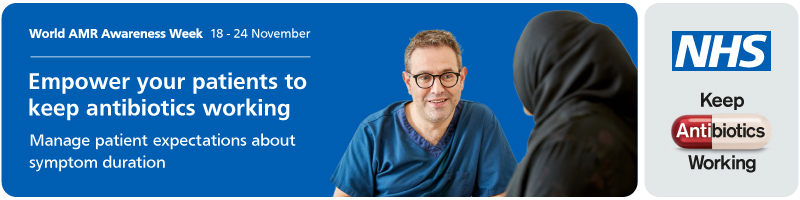
- Helping patients understand when antibiotics are and are not needed.
- Promoting vaccination and infection prevention.
- Encouraging good hand hygiene.
- Providing clear advice about taking medicines safely.
- Reviewing treatment where necessary.
- Supporting antimicrobial stewardship across healthcare services.
Antimicrobial stewardship means making sure antimicrobial medicines are used appropriately, safely and effectively.
It is about choosing the right medicine for the right infection, at the right dose and for the right duration.
How East Basildon PCN is supporting awareness of AMR
East Basildon Primary Care Network recognises the importance of raising awareness about antimicrobial resistance and encouraging responsible use of antibiotics.
World AMR Awareness Week provides an opportunity to share important information with our local community and highlight the simple actions that can make a real difference.
By helping patients understand why antibiotics are not always necessary, encouraging good infection prevention practices and promoting responsible medicine use, we can all contribute to protecting the effectiveness of these essential treatments.
AMR is a shared responsibility. Working together, healthcare professionals and local communities can help reduce infections and protect the health of future generations.
Frequently Asked Questions (FAQ) about antimicrobial resistance
What does AMR stand for?
AMR stands for antimicrobial resistance. It occurs when microorganisms such as bacteria, viruses, fungi and parasites develop resistance to medicines designed to treat the infections they cause.
When is World AMR Awareness Week 2026?
World AMR Awareness Week takes place from 18 to 24 November 2026.
What is the theme for World AMR Awareness Week 2026?
The official 2026 theme is “One Health, one action: Prevent AMR now”. It highlights the connection between human, animal, plant and environmental health.
Can antibiotics treat a cold or flu?
No. Colds and flu are caused by viruses, and antibiotics do not work against viral infections.
How can I help prevent antibiotic resistance?
You can help by only taking antibiotics when prescribed, following your healthcare professional’s instructions, never sharing or saving leftover antibiotics, practising good hand hygiene and keeping vaccinations up to date.
What should I do with leftover antibiotics?
Return unused antibiotics to your local community pharmacy for safe disposal. Never share them or keep them for another illness.
Is antimicrobial resistance the same as antibiotic resistance?
Not exactly. Antibiotic resistance refers specifically to bacteria becoming resistant to antibiotics. AMR is a broader term that includes resistance to antibiotics, antivirals, antifungals and antiparasitic medicines.
Together, let’s prevent AMR: One Health, One Action
Antimicrobial resistance is a challenge that affects us all. Although it may seem like a distant scientific problem, the consequences can be felt in our homes, communities, hospitals, food systems and environment.
The medicines we rely on today must remain effective for the generations that follow us.
By practising good hygiene, preventing infections, keeping vaccinations up to date and using antibiotics responsibly, we can all play a part in tackling AMR.
This World AMR Awareness Week 2026, East Basildon PCN encourages everyone to take one simple action to help prevent antimicrobial resistance.
One health. One action. Prevent AMR now.
Together, we can help protect our medicines, our communities and our future.
Find out more:
Visit the World Health Organization (WHO) for further information about World AMR Awareness Week 2026 and the global campaign.
You can also explore the UK Health Security Agency’s guidance on preventing antimicrobial resistance.
